Eco-Friendly Fabrics: Setting Up Sewing Machine Parts With Real Parameters
Eco-friendly fabrics demand different settings on the same sewing machine accessories, and the differences are measurable. This article gives concrete starting parameters for presser foot pressure, feed dog tooth count and pitch, needle size and point type, and bobbin tension across recycled and bio-based fabric families, plus named defect symptoms with the specific fix. The focus is on industrial sewing machine parts that contact the fabric directly, because that is where the parameters actually live.
Related guide: industrial presser foot — types, fitting and machine compatibility.
Why Standard Settings Fail on Eco-Fabrics
Conventional settings assume a stable, low-friction, heat-tolerant fabric. Recycled and bio-based textiles break at least one of those assumptions, usually more than one. The result is that a machine tuned for standard polyester produces specific, repeatable defects on eco-materials.
The defects are not random. Each one points to a specific part or parameter. The sections below map symptom to cause to fix.

Presser Foot Pressure: Starting Values by Fabric Family
Foot pressure is the first parameter to change and the one most often left at factory default. On a typical single-needle lockstitch machine, the pressure regulating screw has a usable range that corresponds roughly to the values below. These are starting points, not absolutes, but they cut trial time significantly.
Starting Pressure Values
- Recycled polyester woven, 80–150 g/m²: 15–25 N (roughly 1.5–2.5 kgf). Light pressure. Higher values cause needle-hole shine.
- Recycled polyester knit, 140–220 g/m²: 10–18 N. Knits mark easily; stay at the low end.
- Organic cotton woven, 100–180 g/m²: 25–35 N. Cotton needs moderate pressure to feed evenly.
- Recycled cotton denim, 300–450 g/m²: 40–55 N. Heavier pressure is required to prevent slippage.
- Lyocell / Tencel, 90–140 g/m²: 8–15 N. The lowest range. This fiber marks permanently under pressure.
- Bio-based nylon (castor-derived), 60–120 g/m²: 10–20 N. Slick surface; use the lowest pressure that still feeds.
- Recycled wool blend, 200–350 g/m²: 30–45 N. Needs pressure to control loft.
How to Set It Without a Gauge
If no pressure gauge is available, use the standard test: place a strip of production fabric under the foot with the needle down, then pull the fabric. It should slide with moderate resistance, not drag heavily and not slip freely. Adjust the regulating screw a quarter turn at a time and re-test. Record the screw position for repeatability.
Symptom: Needle-Hole Shine on Recycled Polyester
Cause: foot pressure too high, combined with a foot sole that has a rough or worn surface. Fix: reduce pressure to the 15–25 N range and switch to a polished or Teflon-soled foot. If shine persists at low pressure, the foot sole itself is the problem, not the setting.
Symptom: Fabric Lifts With the Needle on Lyocell
Cause: pressure too low, allowing the fabric to rise with the needle on the upstroke. Fix: raise pressure in 3 N increments until lift stops, then back off one increment. If lift continues above 20 N, the needle plate opening is too large for the needle, and the fabric is being pushed down rather than held.
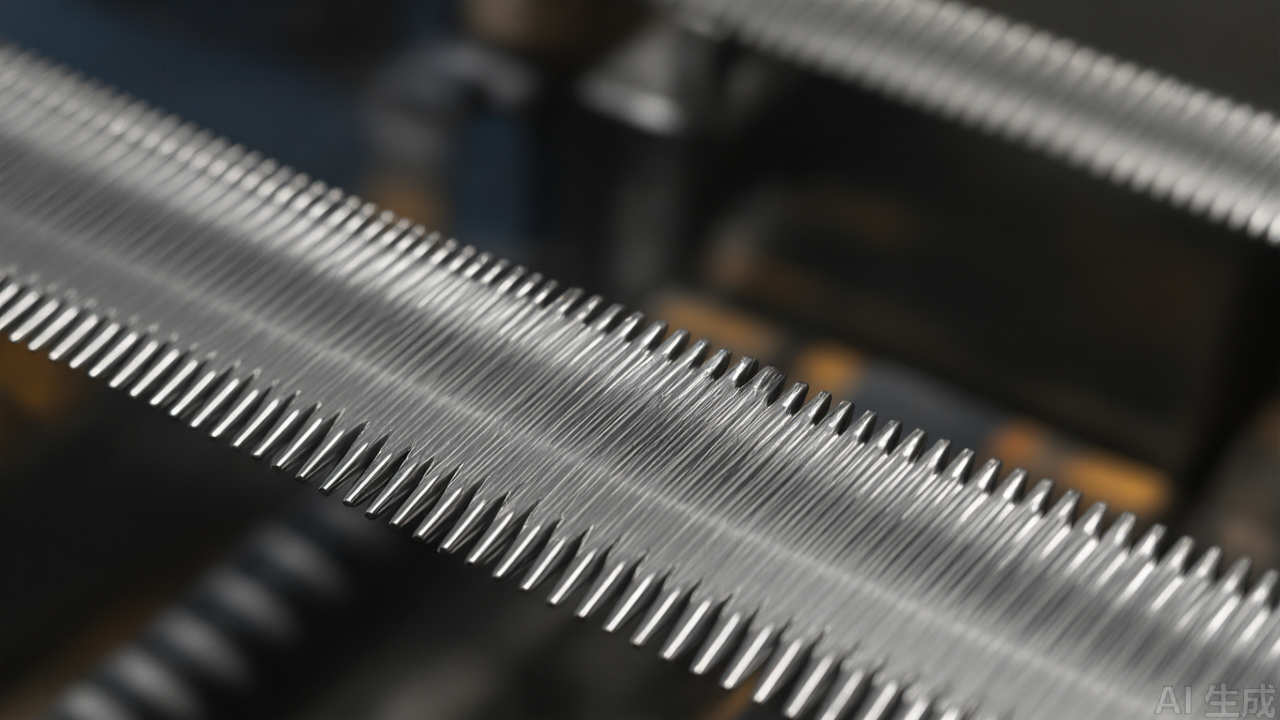
Feed Dog Specifications: Tooth Count, Pitch, and Height
Feed dog selection is where eco-fabrics separate from conventional ones most clearly. The relevant parameters are tooth count per inch, tooth pitch, tooth height, and the dog's relationship to the needle plate slot.
Feed Dog Selection by Fabric
- Recycled polyester woven (light): 14–18 teeth per inch, fine pitch, tooth height 0.6–0.8 mm. Prevents snagging.
- Recycled polyester knit: 18–22 teeth per inch, very fine pitch, tooth height 0.5–0.6 mm. Coarse teeth pull loops.
- Organic cotton woven (medium): 10–14 teeth per inch, standard pitch, tooth height 0.8–1.0 mm.
- Recycled cotton denim: 8–10 teeth per inch, coarse pitch, tooth height 1.0–1.2 mm. Needs grip to move heavy fabric.
- Lyocell / Tencel: 20–24 teeth per inch, extra-fine pitch, tooth height 0.4–0.5 mm. The finest available.
- Bio-based nylon: 16–20 teeth per inch, fine pitch, tooth height 0.6 mm. Slick fabric needs more teeth, not taller teeth.
- Recycled wool blend: 10–12 teeth per inch, medium pitch, tooth height 1.0 mm.
Feed Dog Height Above the Needle Plate
Standard setting is 0.8–1.0 mm above the needle plate surface at the highest point of the feed stroke. For eco-fabrics:
- Light and delicate (Lyocell, light recycled polyester): 0.6–0.8 mm. Higher settings cause fabric distortion between stitches.
- Medium (organic cotton, recycled polyester knit): 0.8–1.0 mm. Standard.
- Heavy (recycled denim, recycled wool): 1.0–1.2 mm. Lower settings cause slippage and uneven stitch length.
Symptom: Uneven Stitch Length on Recycled Cotton Denim
Cause: feed dog height too low or tooth pitch too fine for the fabric weight. Fix: raise the dog to 1.0–1.2 mm and switch to an 8–10 TPI coarse-pitch dog. Also check that the presser foot pressure is in the 40–55 N range; low pressure and low dog height compound each other.
Symptom: Snagging or Pulled Loops on Recycled Knit
Cause: tooth height too tall or tooth count too low. Fix: switch to an 18–22 TPI fine-pitch dog with 0.5–0.6 mm tooth height. If the problem continues, the needle plate slot is too wide and the fabric is being pushed into the gap.
Needle Size and Point Type by Fabric
Needle selection is often treated as separate from parts selection, but the needle, presser foot, and needle plate form a single system. The wrong needle point type causes defects that no foot adjustment can fix.
Needle Size and Point Reference
- Recycled polyester woven, light: 60/8 to 70/10, sharp point (regular).
- Recycled polyester knit: 70/10 to 80/12, ball point (medium ball). Prevents fiber damage.
- Organic cotton woven: 80/12 to 90/14, sharp point.
- Recycled cotton denim: 100/16 to 110/18, sharp point, heavy-duty. Use a titanium-coated needle for heat and wear resistance.
- Lyocell / Tencel: 60/8 to 70/10, sharp point, fine. Larger needles leave visible holes.
- Bio-based nylon: 70/10 to 80/12, sharp point or light ball point depending on construction.
- Recycled wool blend: 90/14 to 100/16, sharp point.
Symptom: Skipped Stitches on Bio-Based Nylon
Cause: needle too fine for the fabric's deflection, or a sharp point deflecting off the weave. Fix: step up one needle size and try a light ball point. Also check needle plate opening: if the opening is more than 1.4 times the needle diameter, the fabric is being pushed down and the hook cannot catch the loop.
Symptom: Needle Holes Visible After Pressing on Lyocell
Cause: needle too large. Fix: drop to 60/8 and confirm the needle plate opening matches. If the hole persists, the fabric was damaged at the needle plate, not the needle, and the plate needs replacement with a smaller opening.
Bobbin Tension and Hook Settings
Eco-fabrics often require finer tension control because the thread path and fabric friction vary more. Bobbin tension is the reference point for the whole tension system.
Bobbin Tension Starting Values
Measured with a tension gauge on the bobbin case thread, typical values:
- Light eco-fabrics (Lyocell, light recycled polyester): 15–25 g.
- Medium eco-fabrics (organic cotton, recycled knit): 25–35 g.
- Heavy eco-fabrics (recycled denim, recycled wool): 35–50 g.
Set bobbin tension first, then adjust upper thread tension to balance. On eco-fabrics, the balanced stitch often sits slightly looser than on conventional fabric, because tighter tension causes puckering that does not relax out.
Symptom: Puckered Seam on Recycled Polyester Knit
Cause: upper tension too high relative to bobbin tension, or the thread is stretching during sewing and relaxing after. Fix: reduce upper tension until the seam lies flat, then check bobbin tension is in the 25–35 g range. If puckering persists, the feed dog height may be too high, stretching the fabric as it feeds.
Symptom: Loose Stitches on Recycled Wool
Cause: bobbin tension too low for the fabric weight. Fix: increase bobbin tension to 35–50 g and re-balance. Also verify the rotary hook is not worn; a worn hook releases the loop late, which shows as loose stitches at speed.
Overlock and Coverstitch Parameters
Overlock machines and coverstitch machines need their own settings for eco-fabrics, and the differential feed is the key parameter.
Differential Feed Settings
- Recycled polyester knit: 1.3–1.5 (stretch control). Prevents wavy seams.
- Organic cotton woven: 1.0 (neutral).
- Lyocell: 1.1–1.2. Slight compression to control edge curl.
- Recycled wool blend: 0.9–1.0. Slight stretch to avoid seam bulk.
Presser Foot Pressure on Overlock
Set lower than on a lockstitch: 8–15 N for light eco-knits, 20–30 N for medium wovens. Overlock feet mark fabric more readily because the foot covers more surface area.
Symptom: Wavy Overlock Seam on Recycled Knit
Cause: differential feed too low or presser foot pressure too high. Fix: raise differential feed to 1.4 and lower foot pressure to 10–12 N. If the wave remains, the feed dog is too aggressive for the knit and should be replaced with a finer-tooth version.
Maintenance Intervals and Inspection Points
Eco-fabrics generate more friction and more fiber debris, so inspection intervals shorten. Concrete intervals based on running hours:
- Presser foot sole: inspect every 40–60 hours. Replace when surface roughness is visible or measurable above 0.4 µm Ra.
- Feed dog teeth: inspect every 80���100 hours. Replace when tooth height has worn below 0.4 mm or teeth are rounded.
- Needle plate: inspect every 100–150 hours. Replace when the opening exceeds 1.4 times needle diameter or grooves are visible.
- Rotary hook: inspect every 200–250 hours. Replace at first sign of loop-release timing drift.
- Bobbin: check dimensions at incoming inspection. Reject bobbins with flange runout above 0.05 mm.
These intervals are shorter than for conventional fabrics because the consequences of wear appear faster. A worn part that would cause minor defects on polyester can cause visible rejects on Lyocell or light recycled knit.
Setup Record Template
The most useful practice is to record the settings that work for each fabric family and keep them with the machine. A minimal record includes: fabric name and weight, presser foot type and pressure, feed dog tooth count and height, needle size and point type, needle plate opening, bobbin tension, and differential feed where applicable.
Once a factory has these records, changeover becomes a lookup rather than a trial. That is the practical payoff of treating sewing machine parts as engineered components matched to the fabric, rather than as interchangeable consumables.
PL manufactures presser feet, feed dogs, needle plates, bobbins, and hooks for industrial sewing machines, and its full parts catalog is documented at pinseam.com. For buyers setting up eco-fabric lines, the useful step is to request specification sheets with tooth counts, surface finish values, and dimensional tolerances, then test samples against actual production fabric before committing a line.
Need this part for your workshop?
Get a Free Quote on WhatsApp: +86 137 3825 6697Browse the full catalog at pinseam.com · Free 2026 full catalog (PDF) · Related guide: industrial presser foot
📢 New arrivals & factory updates on Telegram — join our channel
Edited by the technical team at PL (Professional Leader) — high-quality sewing machine accessories from China. About our factory | Catalog: pinseam.com | WhatsApp: +86 137 3825 6697 | Telegram: @plsewingparts
Explore Our Parts Guides
- sewing machine accessories, needle threaders & thread guides
- industrial & magnetic seam guides
- presser foot guide: types & compatibility
- industrial presser feet for factory lines
- roller & rolled hemmer presser feet
- industrial sewing machine parts & spare parts
- wholesale sewing machine parts, factory direct
- about PL (Professional Leader)
Questions about a specific part? Chat with us on WhatsApp +86 137 3825 6697 — factory direct, reply within hours.


Comments
Post a Comment